Keeping Cool
How to keep your home comfortable during hot weather
With every year bringing record high temperatures, keeping cool in summer is becoming as important as staying warm in winter. Historic British houses are often poorly adapted for warm weather but there are several effective ways to reduce indoor temperatures during hot weather.
Insulation
There’s a popular misconception that insulation warms homes up year-round. This belief has arisen partly because many new-build homes are highly insulated but become unbearably hot in the summer.
Insulation has no “warming” effect. All it does is slow the transfer of heat. In the winter your house is hotter than the environment, so the insulation helps to keep the heat in. On hot days, the house is usually cooler than outside, meaning the insulation will actually keep the house cooler. The graph below shows the effect of insulation on daily temperature cycles - you’ll see that the temperature of the insulated home (green line) varies less than the uninsulated home.
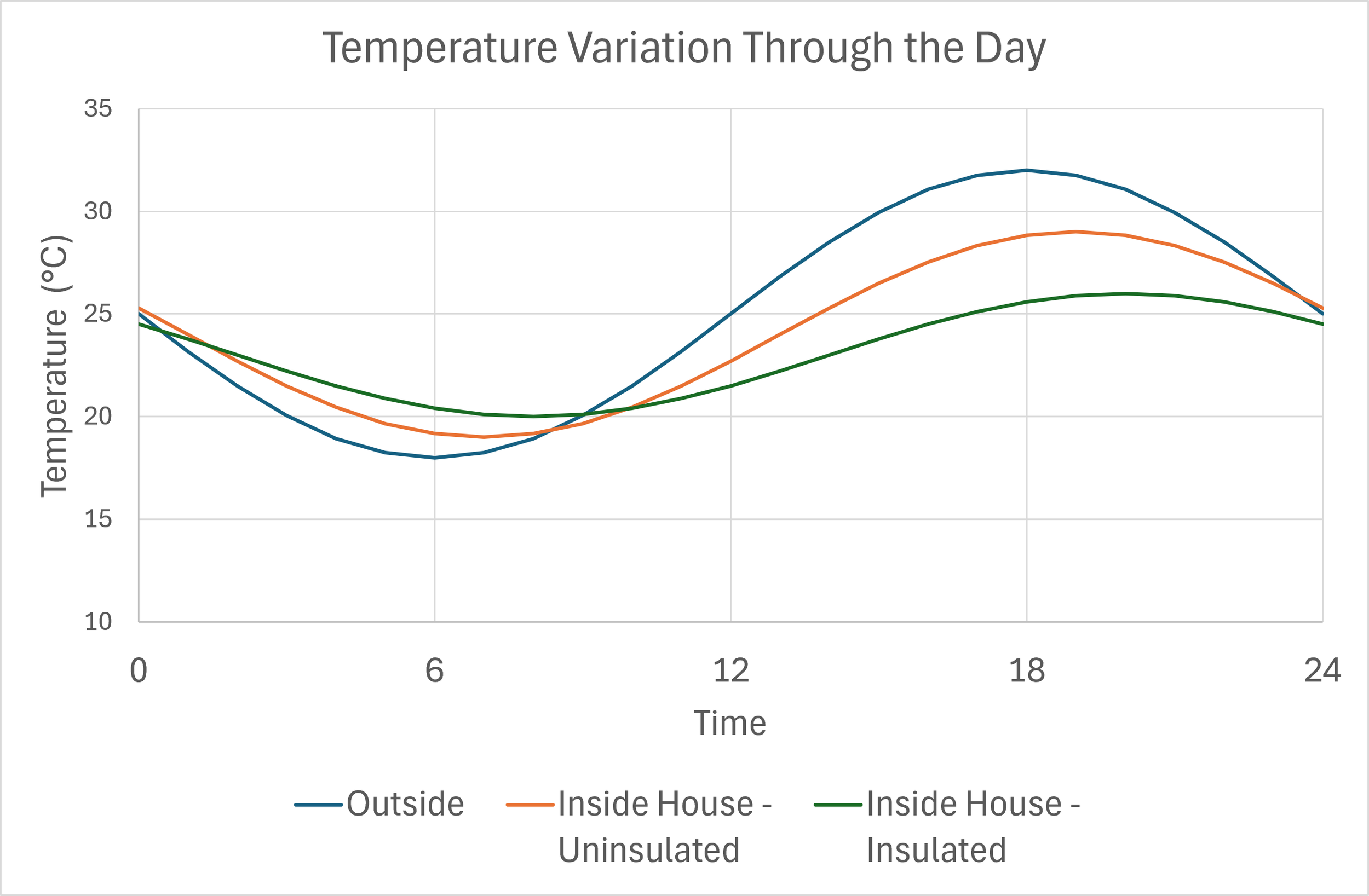
Contrary to popular misconception, insulation can actually keep your home cool in summer. Denser forms of insulation such as woodfibre also help by heat buffering - storing heat to slow its transmission into the home.
So why, then, are well-insulated modern homes so hot in summer? There are a few factors -
Ventilation
Similar to insulation, we hear many misconceptions about ventilation. There’s a common view that more ventilation makes a house cooler. This is only partly true.
Opening your windows to ventilate the house will move the indoor temperature closer to the outdoor temperature. On hot days this is usually what we want to avoid! The best strategy is as follows -
Monitor both the indoor and outdoor temperature. A cheap digital thermometer can be used to track the indoor temperature. Any number of weather apps are available to tell you the outdoor temperature.
If the home is warmer than outdoors (typically during the night and morning as shown on the graph above) open as many windows as possible to ventilate the house. Position fans at the windows to encourage airflow.
If the home is cooler than outdoors (during the middle of the day) close your windows and curtains to keep the heat out. Arrange fans to circulate airflow inside occupied rooms to help the people feel cooler.
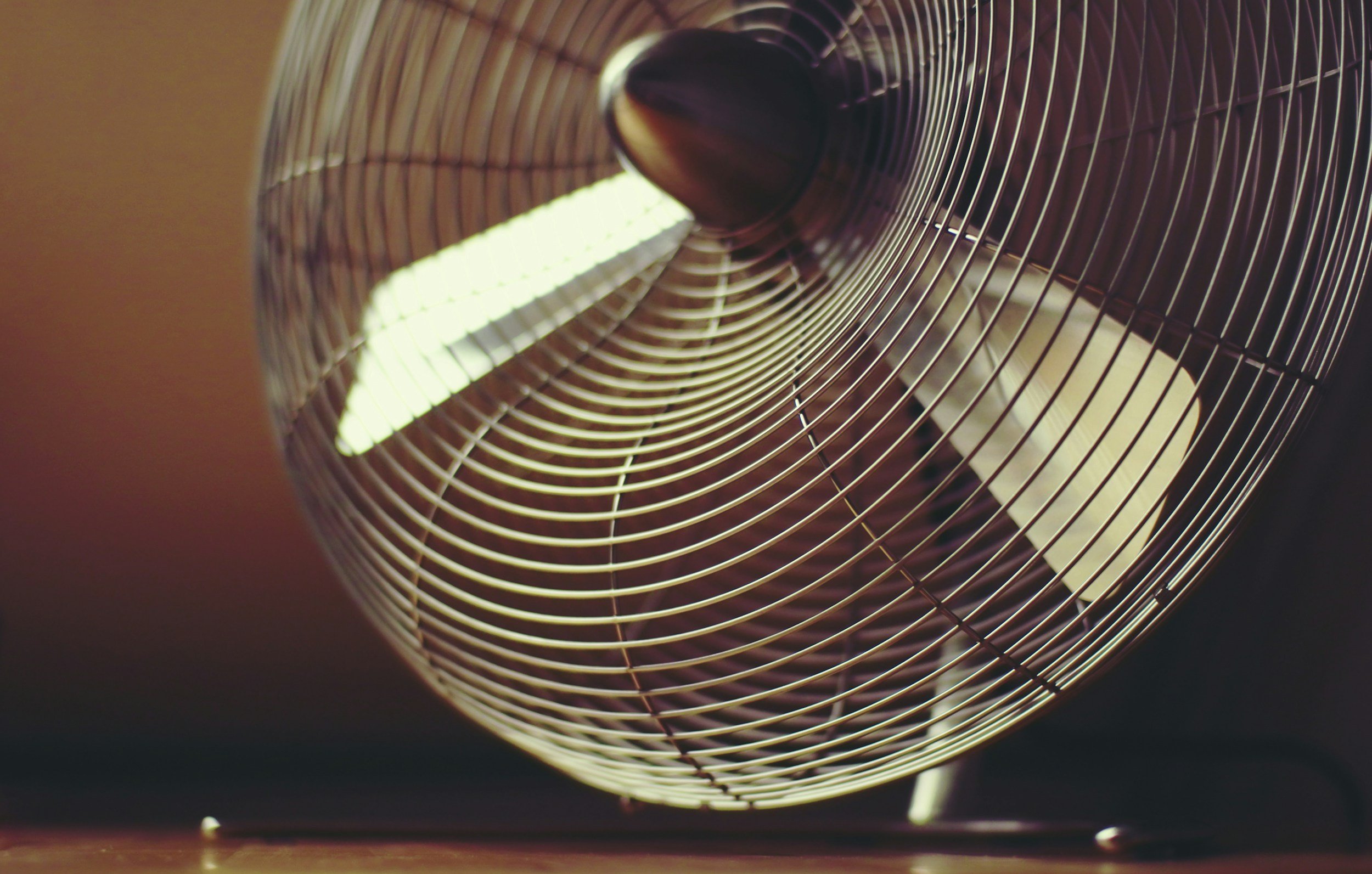
Did you know it’s more effective to position a fan blowing air out of a window rather than in? About 1m away from the window is optimal for airflow volume. Be sure to arrange fans so they circulate air through the home in the same direction as any wind to encourage through-ventilation.
Lack of ventilation is major factor in overheating of modern apartments. Apartments are often arranged around a building core so that all the windows are on the same side of the building. This means you won’t get any “through ventilation” effect from the wind. In this situation you’re reliant on mechanical ventilation from fans or ideally full air conditioning to actively cool the flat.
Solar Gain
We receive the Sun’s energy as radiation. Sunlight will heat any surface it lands on. On bright summer days, surfaces in direct sunlight can become much hotter than the ambient temperature. Who remembers when the City of London’s “Walkie Talkie” building focused the sun’s rays and melted a car?
The majority of solar radiation passes through normal glass. Buildings with lots of windows such as modern apartments are therefore particularly vulnerable to solar gain. When sunlight lands on an internal floor or wall, it heats that surface which then acts as a radiator, warming the air around it.
The very best way to avoid solar gain is with external shutters. These reflect the sunlight before it even reaches the window. It’s no coincidence that these are common in warmer countries.

External shutters are effective at preventing solar gain - hence their prevalence in warmer countries
External shutters are a rarity in the UK, but there are other ways to reduce solar gain. A brise soleil (shading canopy) can have a similar effect by shading the window from above. A well-designed canopy can shade the window during the summer when the sun is high in the sky but let sunlight in during the winter when it’s lower, benefiting from the heating effect during the colder months.
Reflective window film is a low-budget DIY-friendly alternative. This can be purchased cheaply and applied directly to windows to reduce the amount of solar radiation that passes through the glass. Bear in mind it will also reduce the amount of light that gets into the room, so don’t go for too dark a film unless you have plenty of windows.
As a final option, simply shutting your curtains on the sunny side of the house will also help to reduce solar gain!
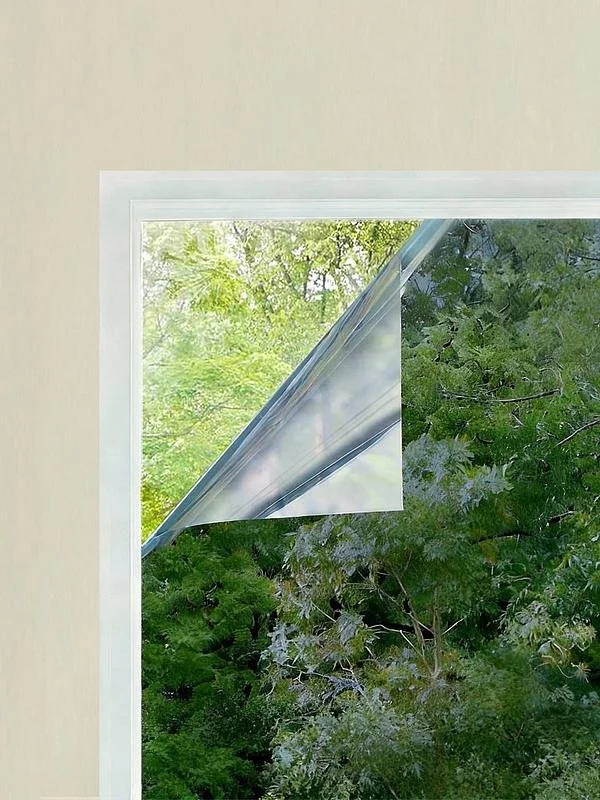
Solar control window film is an effective way to reduce solar gain. I fixed my own overheating kitchen by applying film to the large skylight.
Air Conditioning
Air conditioning is something of a dirty word in eco circles, but it shouldn’t be. A modern heat pump-based air conditioning system, combined with a well-insulated home, can be very energy efficient. The energy usage also occurs at the same time as peak solar energy generation, so greenhouse gas emissions are minimal.
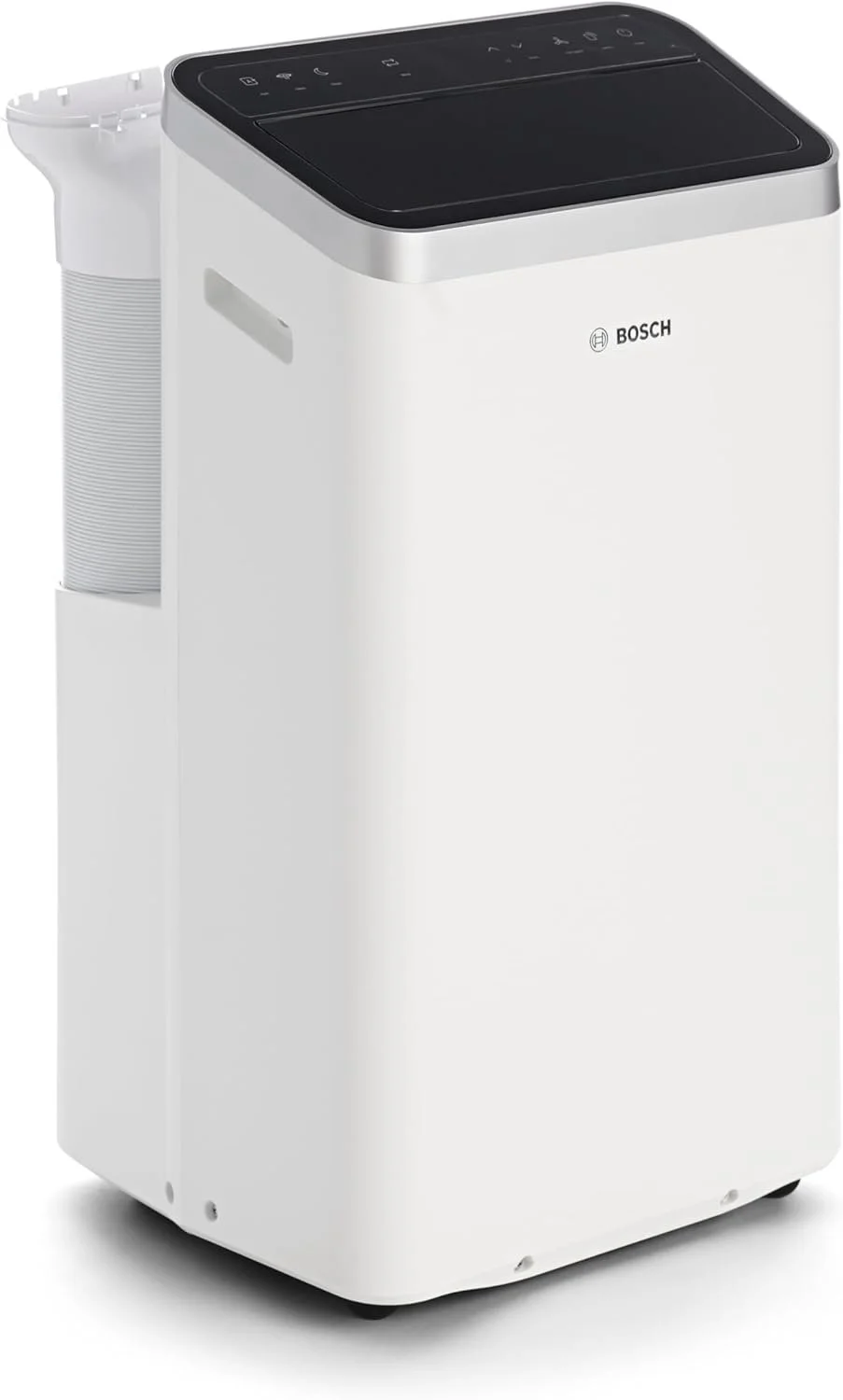
In our opinion the government’s ban on air conditioning in new-builds is ludicrous in a warming country. We hope it’s repealed soon. In the meantime, portable air conditioners are an option for those in warm flats. These are less efficient than air conditioners with external heat exchangers (because the warm air exhaust pipe causes negative pressure in the room, drawing hot air in from outside) but they can still have a significant benefit, especially where natural ventilation is limited.
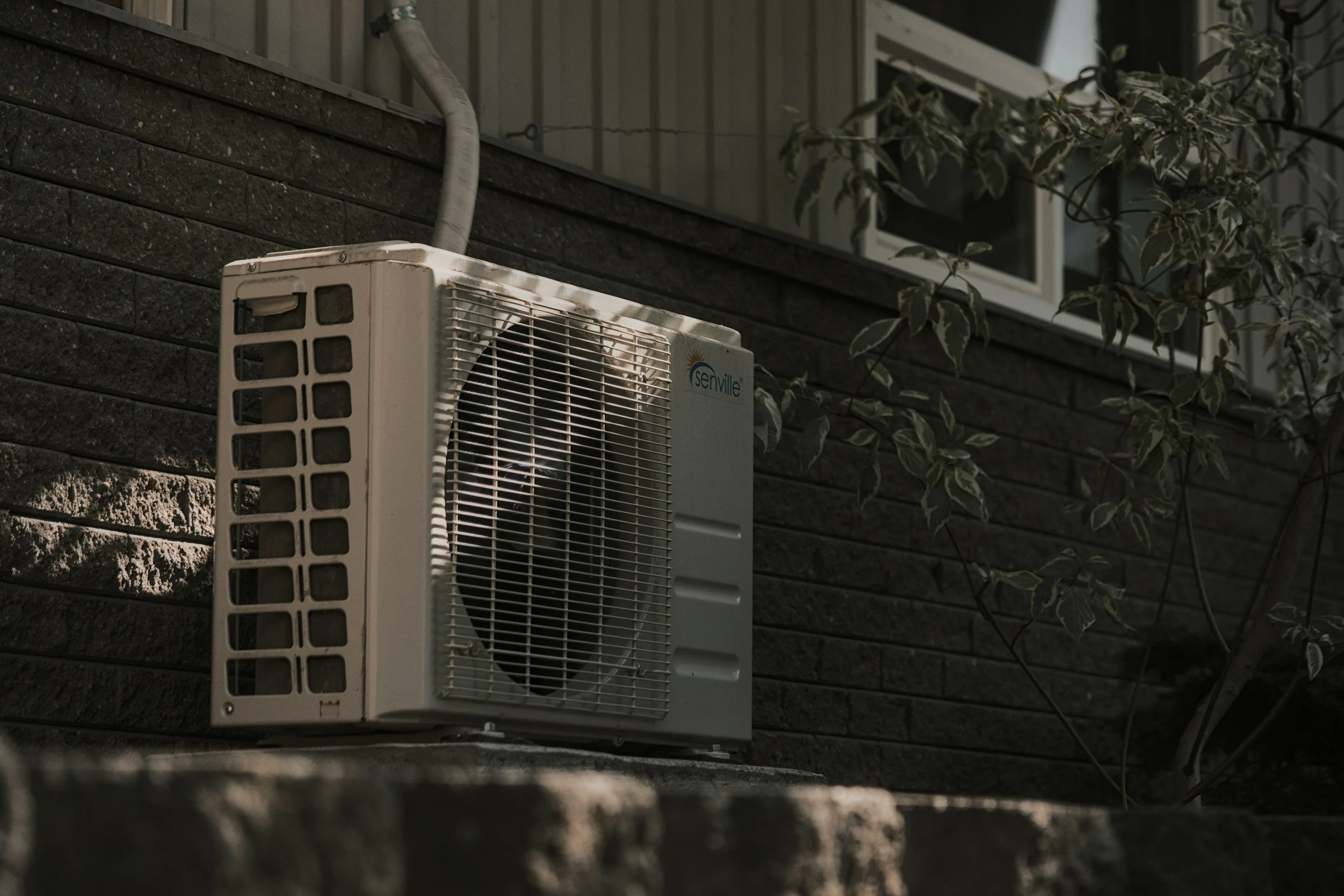
Modern air conditioning and mechanical home ventilation (HVAC) should, in our opinion, be standard in all new-build homes but is prevented by legislation. Indoor portable air conditioners are a practical alternative.
Tool Kit