Thermal Bridges
Thermal bridges or cold bridges are weak points in your insulation layer that cause cold spots on the inside of the room. Typical examples include metal wall ties across a wall cavity. The metal ties are highly conductive so they will carry heat through any insulation, reducing its effectiveness. Non-metal ties are available to avoid this issue.
As well as reducing the effectiveness of your insulation, thermal bridges can cause other issues. Cold spots inside a room will be magnets for condensation, especially in rooms with reduced ventilation. The classic example is around windows – if the insulation is not returned around the window reveal these areas are often much colder than the surrounding insulated walls, and condensation can form and cause mould over time.
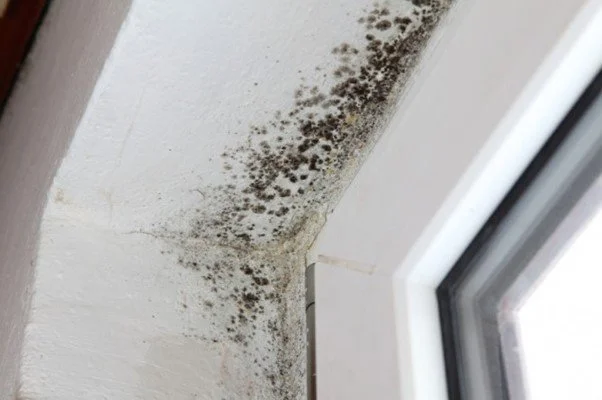
The classic example of a thermal bridge - mould growth at a cold spot on exposed brickwork in a window reveal. Insulation of this face (perhaps with thin layer of Aerogel insulation) would help to prevent this happening
To avoid thermal bridges you need to follow best insulating practice, ensure that all external surfaces are fully insulated without gaps. The insualtion instructions on this site aim to highlight areas where cold bridges could occur, with suggestions for how to avoid them. The image below from our page on installing insulated plasterboard shows how to insulate a window reveal to avoid any cold surfaces which could cause condensation to form.
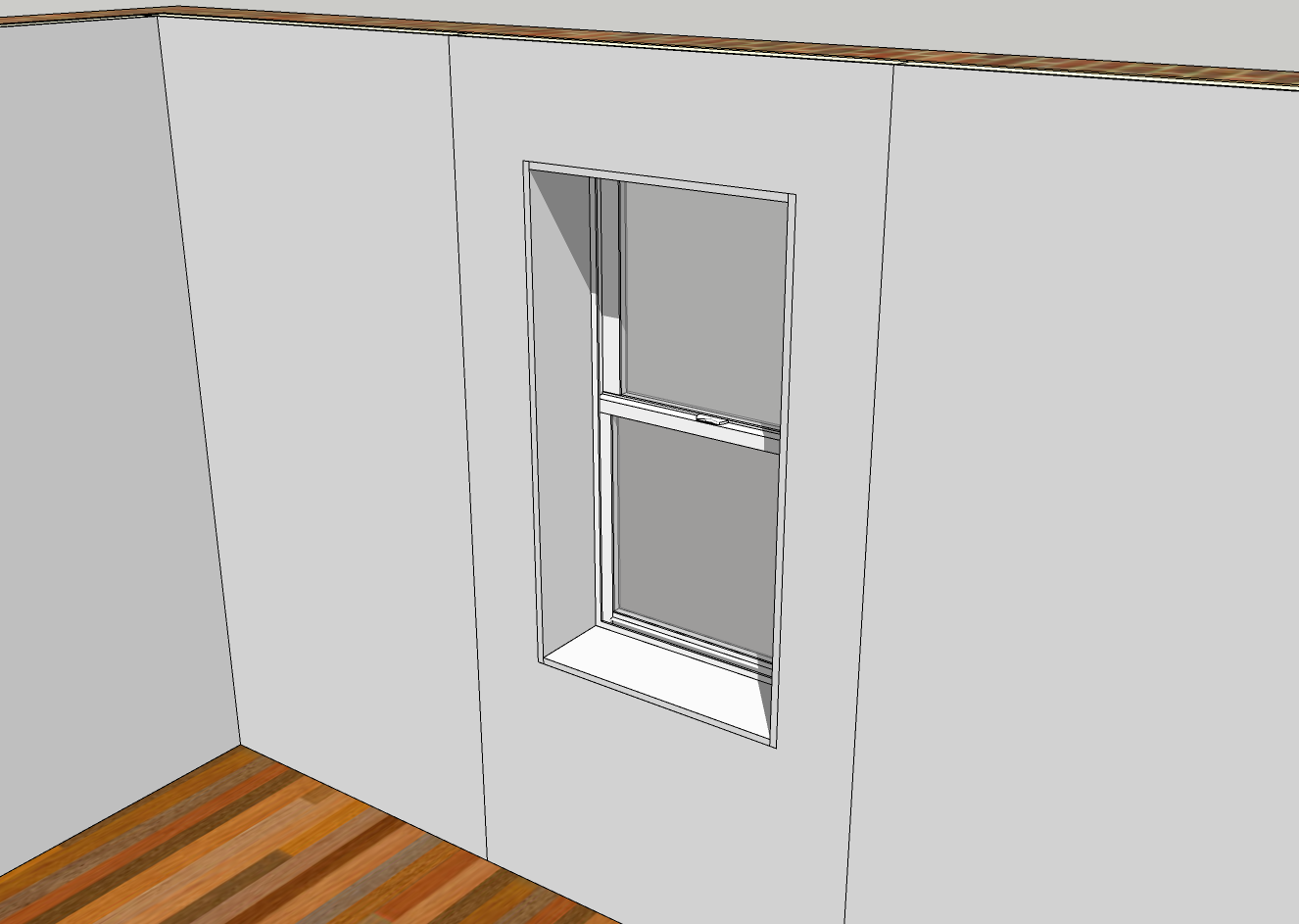
Detail showing proper insulation around a window using thinner reveal board insulation sheets. Regardless of how well insulated the rest of the wall is, plastering directly onto the brickwork around the window would lead to a thermal bridge and potentially condesation and mould growth.
Tool Kit

Our step-by-step guides