Cavity Wall Insulation

Cavity wall insulation (CWI) is standard for new build homes in the UK. It is also the cheapest and easiest way to insulate an existing cavity wall. However, this can cause damp penetration in certain circumstances so it’s important to understand the risks.
New-build insulation
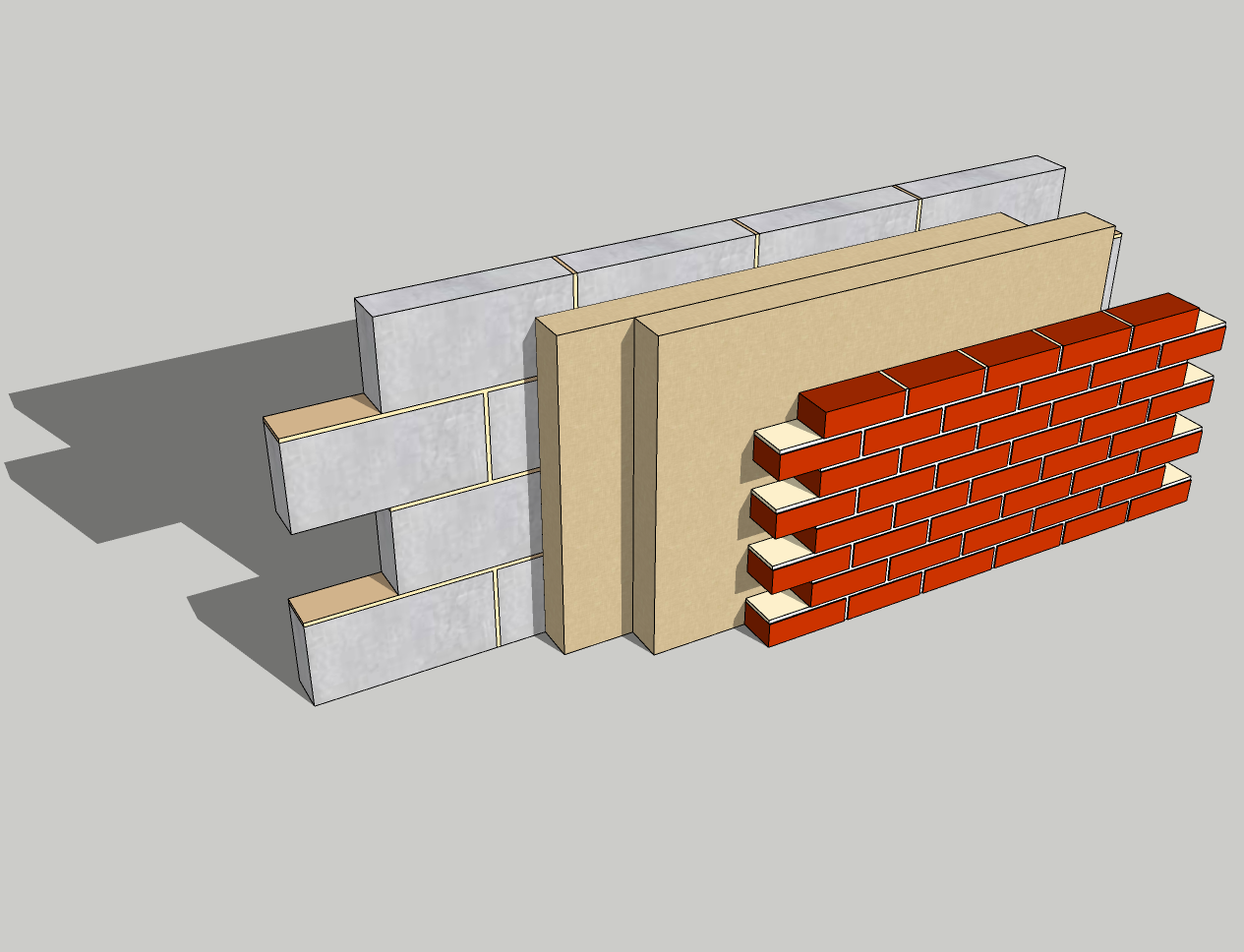
Almost all new brick housing is built with cavity wall insulation. Two separate walls are built - usually an inner one in concrete blocks and an outer one in clay bricks - with a gap of 100mm or more between them. Wall ties connect the two masonry leaves together for strength.
Insulation is sandwiched in the gap - as much as is needed to achieve the required U-value. The insulation can either fill the entire cavity ("full-fill", often mineral wool) or leave a residual gap on the outside for additional protection from damp penetration (“part-fill”, often rigid PIR boards).
Retrofitting cavity insulation
In older walls the cavity is often much smaller. Early cavity walls were built to prevent water penetrating to the inside of the home rather than with insulation in mind, so they were sometimes built as narrow as one inch (25mm). You can estimate the width of a cavity by measuring the thickness of the wall (e.g. at a window or door opening) and subtracting the thickness of two bricks.
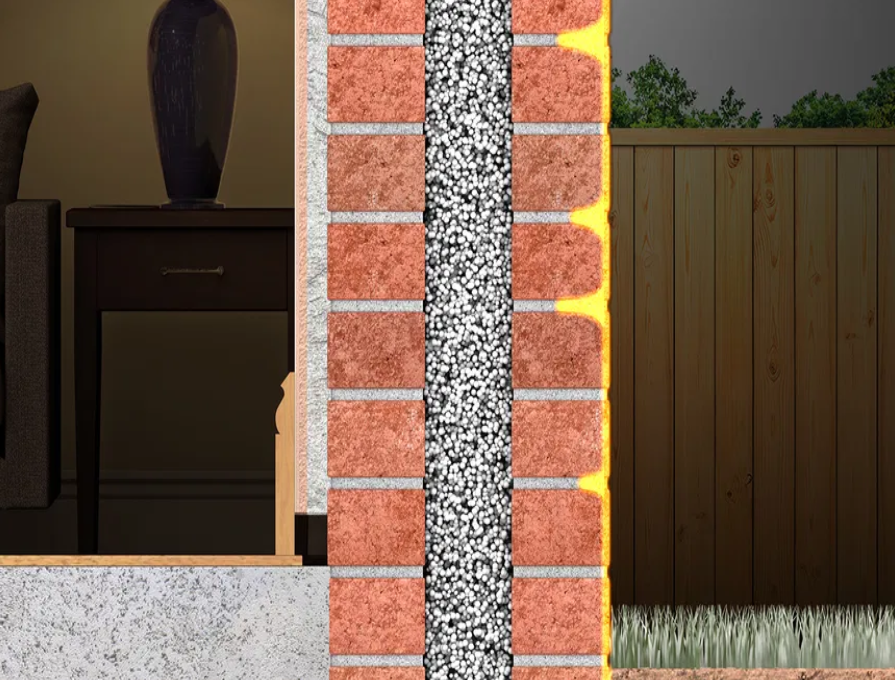
For cavities of 50mm or more, it’s often possible to retrofit cavity insulation. This is done by drilling a grid of small holes on the outside face and blowing in insulation, usually mineral wool or glue-coated polystyrene balls. A whole house can usually be done in a day, with far less disruption an cost than either internal or external wall insulation.
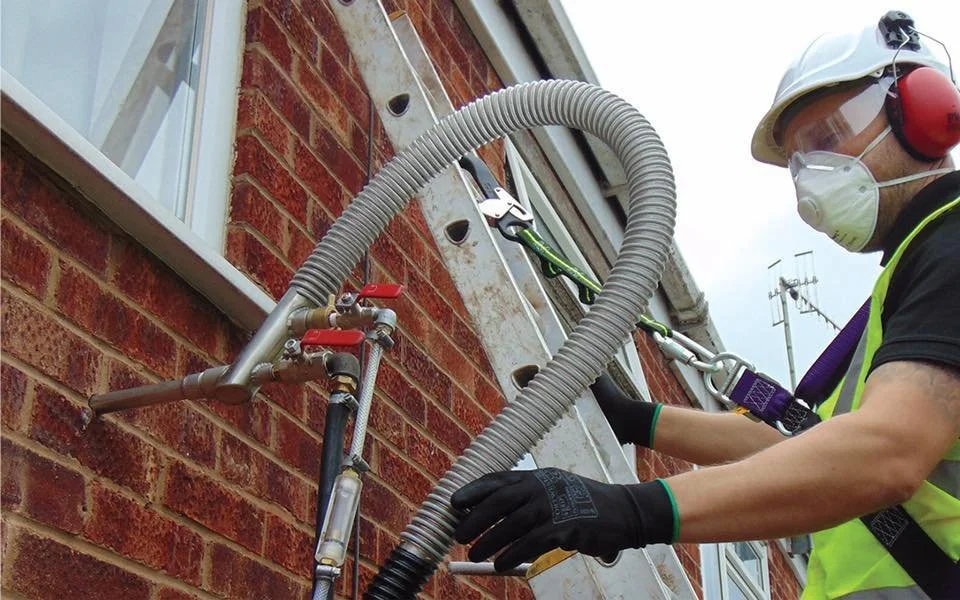
Cavity wall insulation can be blown into existing cavity walls through small holes drilled in the mortar joints.
Image credit: https://www.originenergyservices.co.uk/
Cavity insulation risks
Cavity insulation has developed an unfair reputation for causing damp problems. This originated in the 1990s when the media reported a small number of cases where CWI had allowed water to track across cavities, causing dampness on the internal wall. The number of cases where this happened is tiny, with CIGA estimating a rate of less than 0.5% of installations requiring subsequent removal, but it’s still important to be aware of the risks.
Firstly, CWI should not be used in areas with high levels of wind-driven rain (you can check on the exposure map). Wind-driven rain is the main cause of damp penetration.
Assuming your property is in a suitable exposure zone then the next step is to get a survey from a reputable installer. The Cavity Insulation Guarantee Agency (CIGA) maintains a list of approved installers who will provide a warranty for the work. We’d recommend you only select someone from this list.
Most installers offer a free initial survey where they should check the condition of the wall(s) including an internal check using an endoscopic camera which can look inside the cavity. If the cavity is clear and the wall ties are in good condition then the wall may be suitable for CWI.
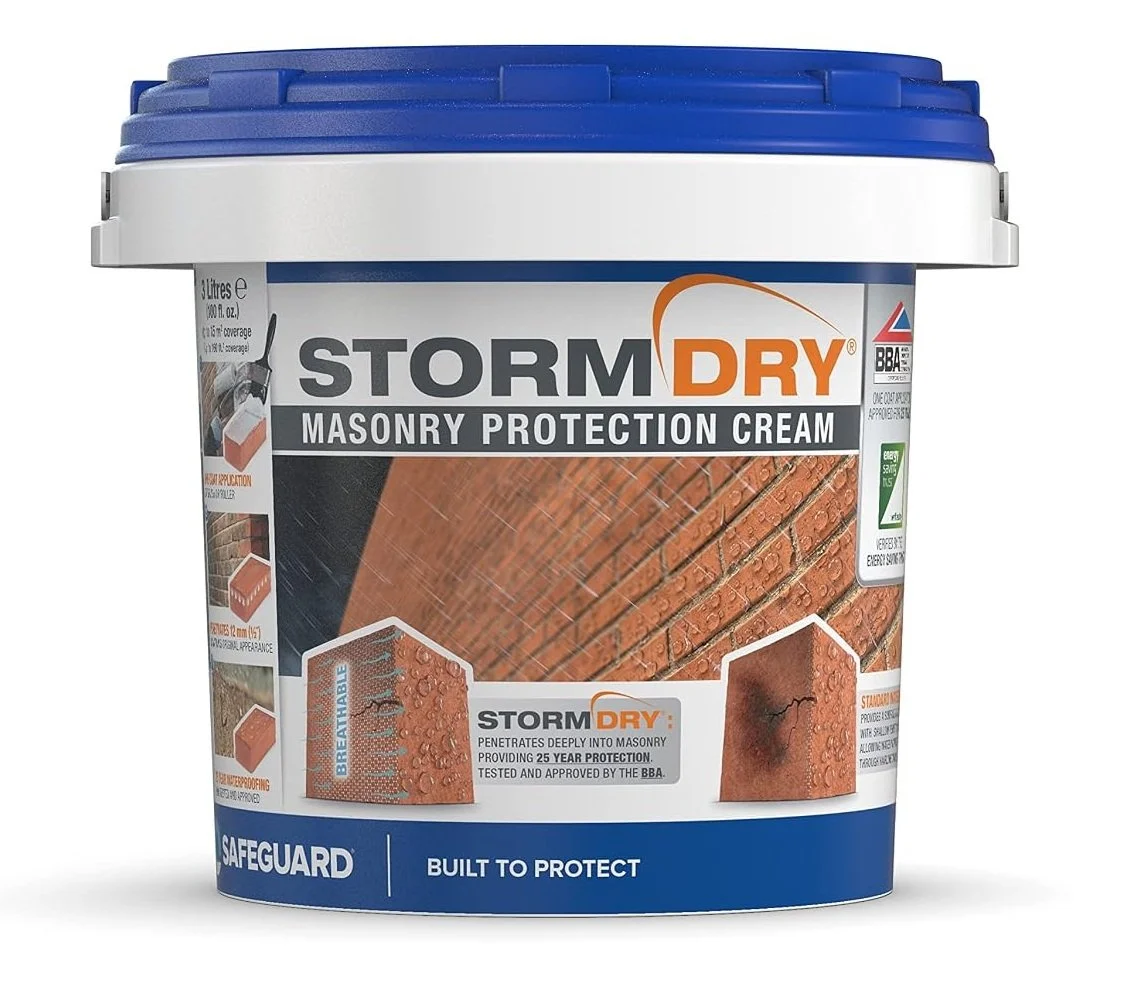
If you do suffer damp problems after the install, the excellent Skill Builder channel on YouTube recommends first ruling out internal condensation before treating the outside of the wall with Stormdry masonry protection cream.
Stormdry masonry protection cream
Image credit: https://safeguardeurope.com/
Tool Kit